Tackling Saline Infiltration in Looe
Project Summary
The Looe catchment programme reflects Glanville’s proven capability to identify and mitigate inflow and infiltration across complex wastewater networks. By combining advanced CCTV survey techniques, including tidal-led inspections and 360° manhole assessments, with a full suite of trenchless rehabilitation, targeted civils, and integrated tanking and cleansing support, we deliver end-to-end solutions that address both surface inflow and groundwater or saline infiltration. This holistic approach not only restores structural and hydraulic integrity but also significantly reduces excess flows entering the network, thereby directly reducing Combined Sewer Overflow (CSO) events and improving environmental compliance.
Project Overview
Glanville is delivering an ongoing, phased programme of CCTV investigation and trenchless remediation to support South West Water’s efforts to understand and reduce saline infiltration and inflows (I&I) within the combined sewer network in the Looe catchment area, a critical factor in network overloading and environmental risk in coastal systems.
The works focus on a complex, tidally influenced catchment where saline ingress, high groundwater levels and legacy connections significantly affect network performance. The approach combines methodical, tide-aware surveying with targeted trenchless interventions, enabling defects to be identified, prioritised and repaired with minimal surface disruption in a sensitive coastal town environment. Inflow and infiltration pose significant challenges in tidally influenced catchments, increasing base flows, reducing available network capacity, and increasing the risk of Combined Sewer Overflow (CSO) activations during rainfall and high-tide events.
Scheme
Tackling Saline Infiltration in Looe
Client
South West Water
Project objective
Understand and reduce saline infiltration and inflows (I&I) within the combined sewer network in the Looe catchment area
Scheme value
Ongoing, Phased Delivery
Divisions
CCTV, Civils, Cleansing, Trenchless
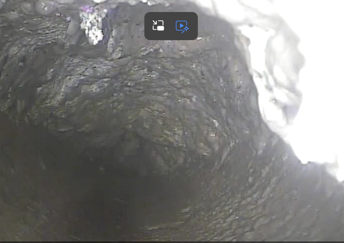
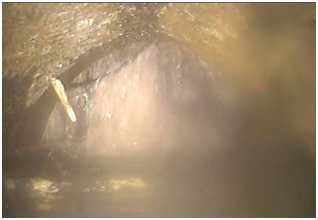
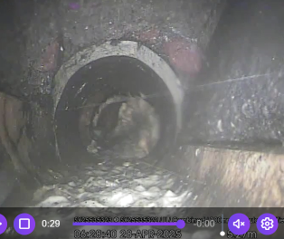
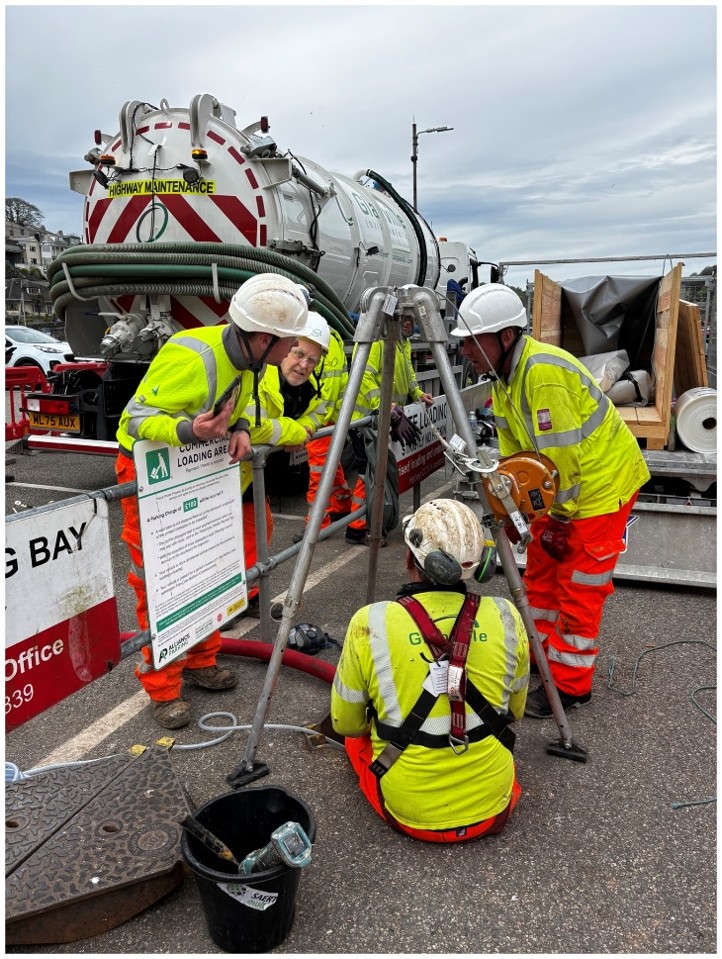

Phase 1: Tidal Led CCTV Investigation
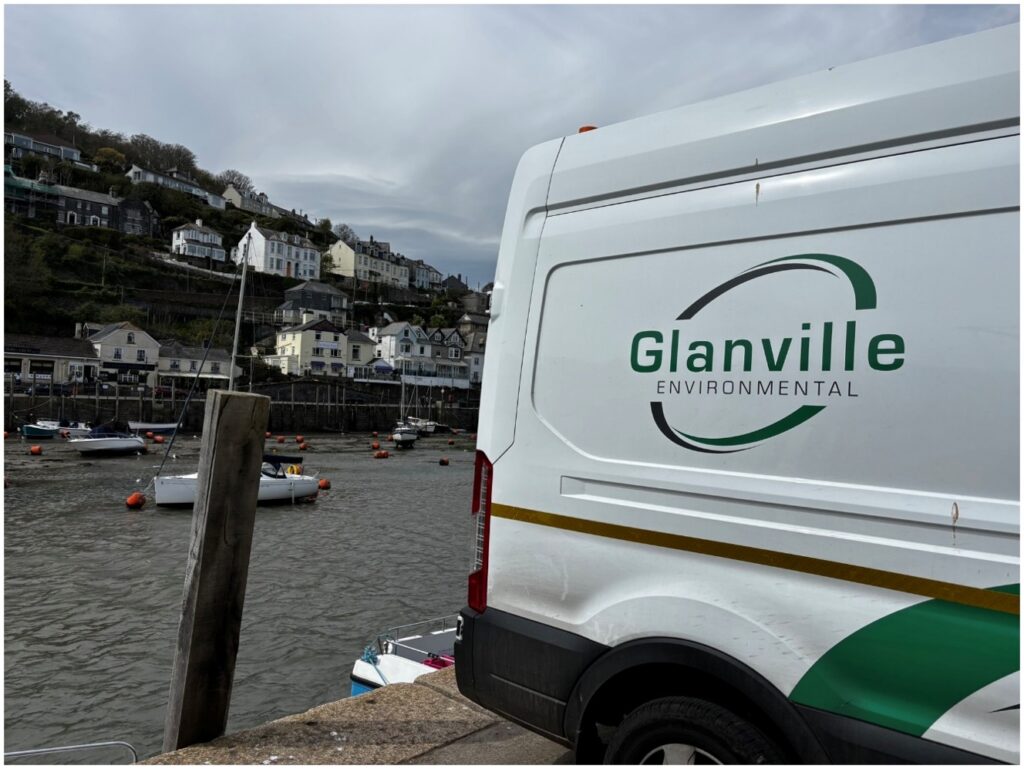
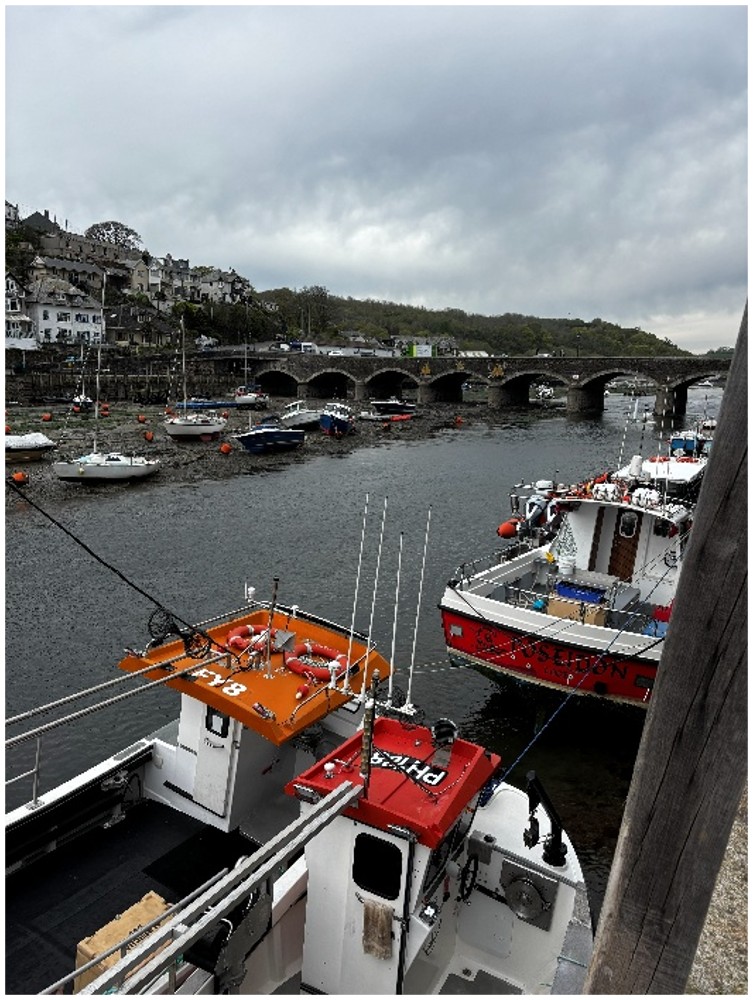
Initial works centred on identifying areas of the network subject to tidal influence and quantifying the sources and pathways of inflow and infiltration. A geographical and hydraulic assessment was undertaken to define a tidal zone encompassing low-lying areas near the harbour, quay walls and waterfront infrastructure.
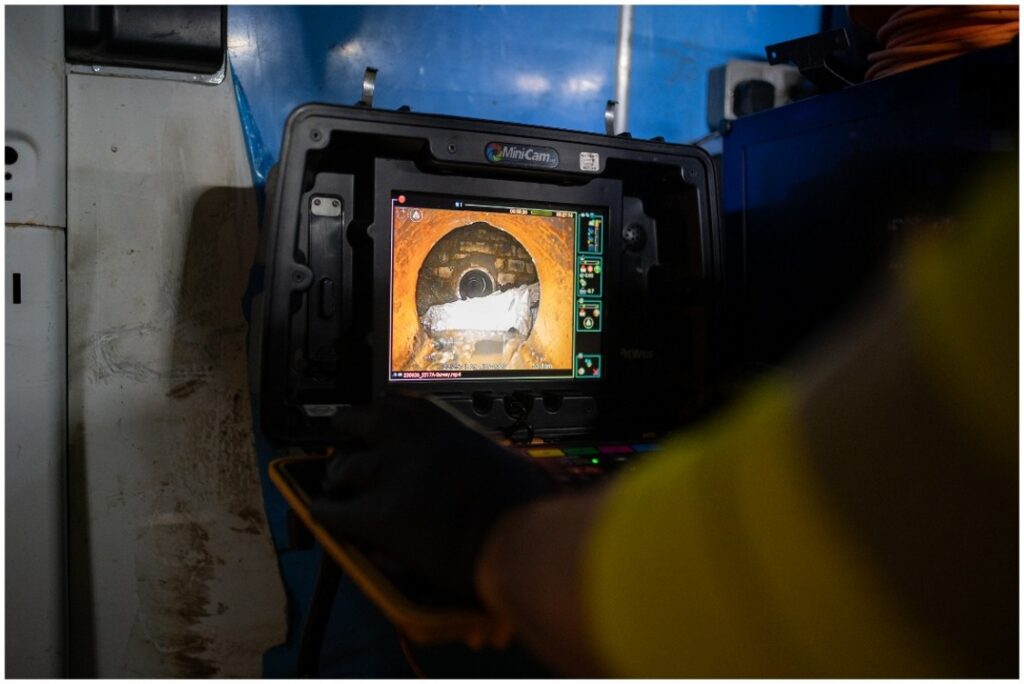
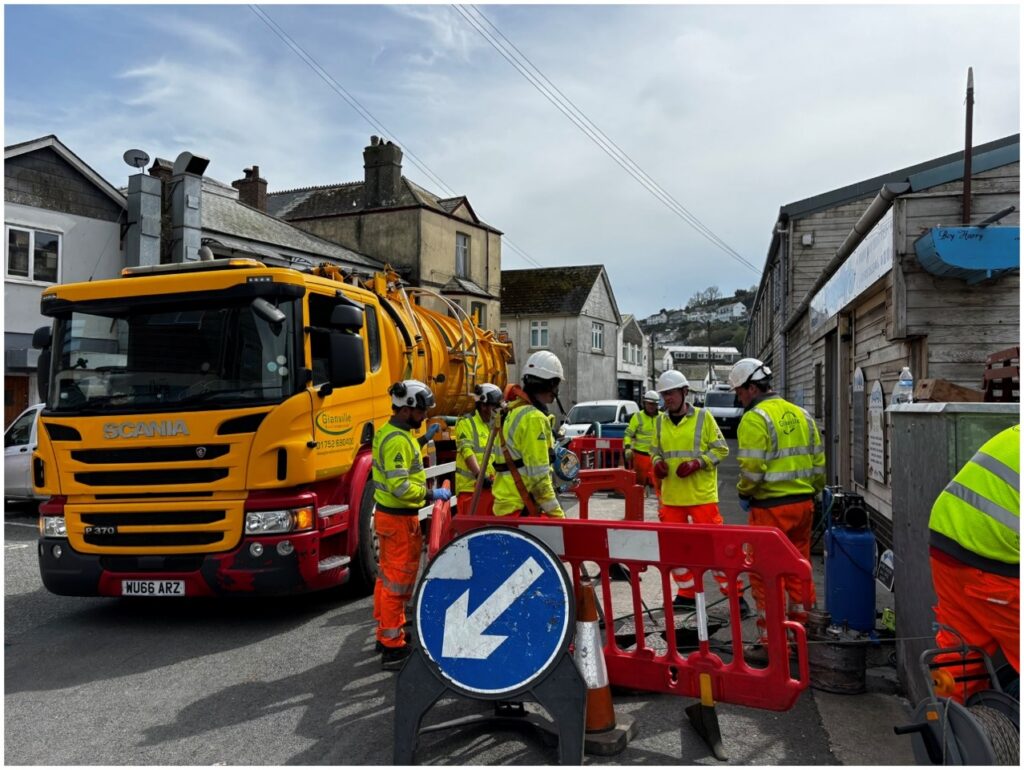
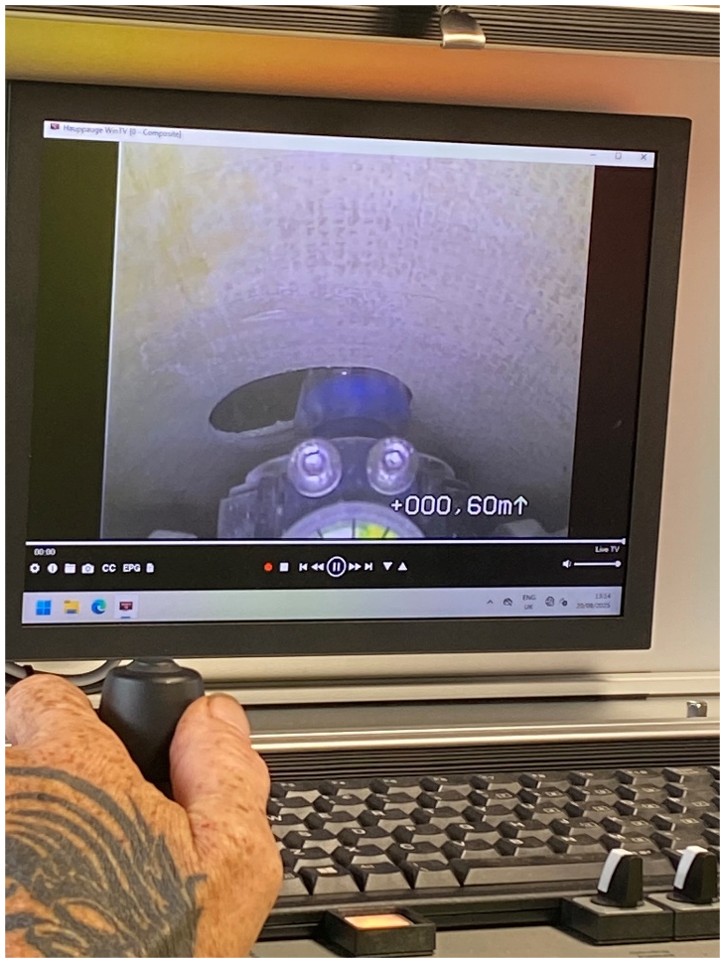
CCTV surveys and lift-and-look inspections were then delivered in carefully planned phases, aligned with favourable tidal conditions. In many locations, surveys were completed overnight to:
- Avoid peak flows that would mask defects
- Capture rising tide conditions where saline ingress could be observed
- Minimise disruption to residents, businesses and visitors
Using a targeted methodology, surveys progressed upstream from trunk mains to laterals and contributing branches. This enabled the identification of both mapped and unmapped connections, infiltration points, and manhole defects, while confidently excluding sections of the network that did not contribute to saline ingress.
This structured approach enabled a clear understanding of how infiltration and inflow entered the network, forming the basis for targeted intervention to reduce unnecessary system loading.
Phase 2: Trenchless Remediation Following CCTV
Based on the CCTV findings, Glanville’s trenchless teams have been delivering a wide range of low-disruption repairs, tailored to the defect type, location and hydraulic sensitivity of each asset. All remediation activities were prioritised based on their impact in reducing inflow and infiltration, ensuring that interventions targeted the highest-contributing defects.
Remedial works carried out to date include:
Localised Patch Repairs
Targeted patch repairs have been installed to address defective joints, fractures and infiltrating sections of pipework throughout the network, reducing groundwater and saline ingress (key contributors to infiltration) without the need for excavation.
Lateral Connection Sealing
Defective and intruding lateral connections identified during CCTV surveys have been cut back and sealed using Top Hat patch systems, preventing saline ingress at high tide and eliminating direct inflow pathways while maintaining service integrity.
UV CIPP Lining
Full and partial manhole-to-manhole lining installations have been deployed where CCTV identified multiple or widespread defects. These works often include:
- Pre-cleaning and conditioning of the host pipe
- Installation of liners to structurally rehabilitate the sewer
- Re-opening and sealing of live connections
- Re-benching of chambers to restore hydraulic performance
To deliver efficient, low-disruption rehabilitation in Looe’s tidally influenced network, Glanville utilised cutting-edge UV-light-curing technology for both pipelining and patching works. This advanced equipment significantly reduces curing times compared to traditional thermal curing methods, enabling faster installation and reduced exposure to challenging tidal conditions.
Working in partnership with leading UV CIPP technology providers ensures Glanville remains at the forefront of trenchless innovation, enabling the delivery of high-quality, resilient solutions tailored to complex coastal environments.
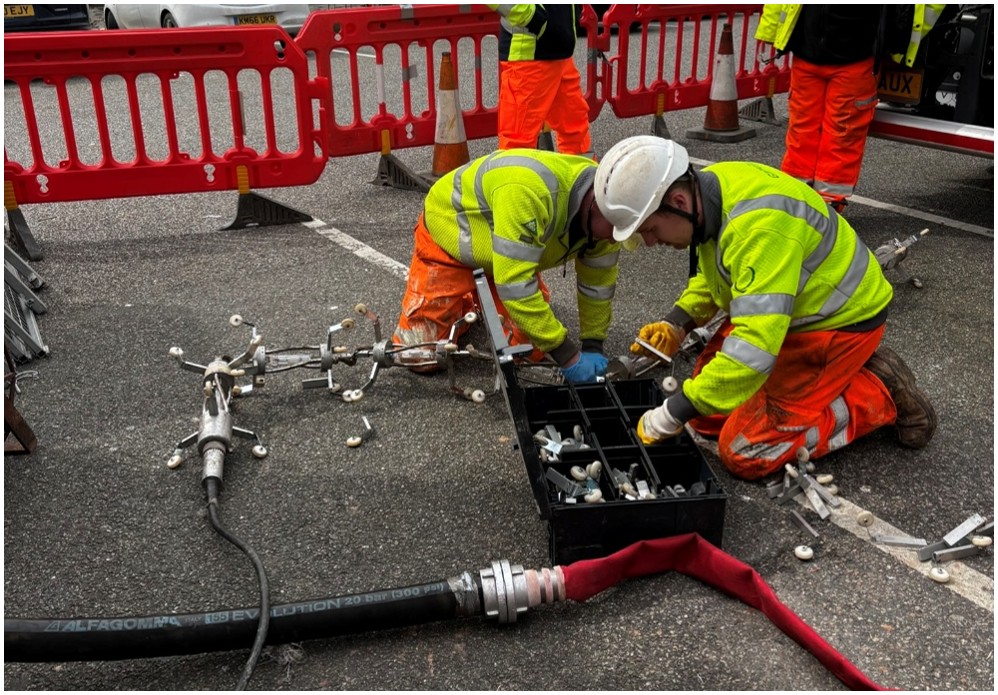
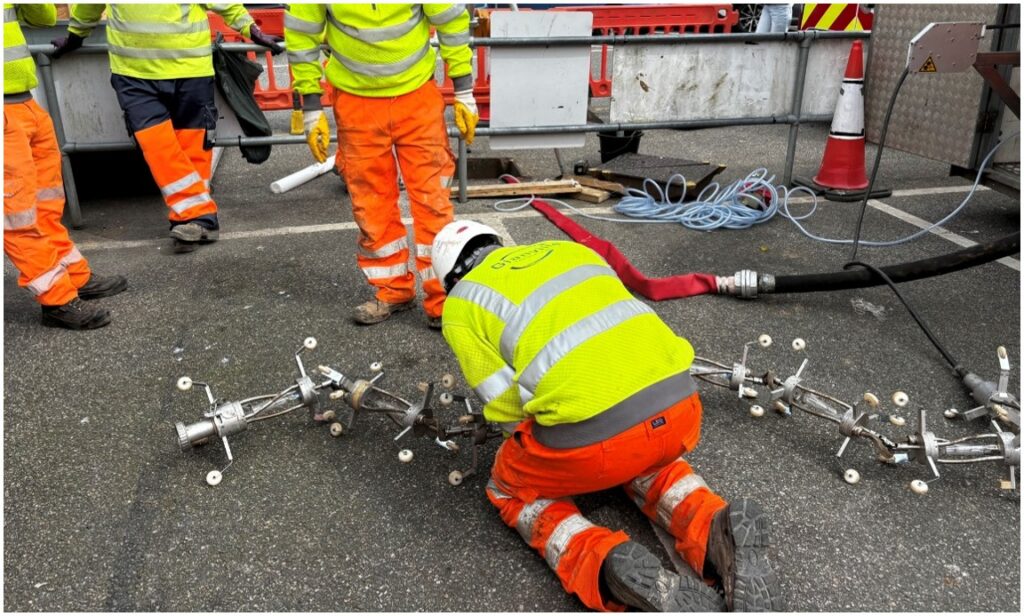
The UV process involves passing a light-curing head through a resin-impregnated liner that has been winched into place. As the light head progresses, the UV cures the resin, forming a new, fully structural pipe within the existing sewer.
This technique offers several key advantages:
- Rapid curing times, reducing time on site and improving programme efficiency
- Exceptional quality control, with consistent curing and liner thickness
- Creating a fully sealed structural barrier to prevent ongoing infiltration and limit unintended inflow into the system
- Significantly reduced carbon impact, contributing to overall project savings of approximately 246 tonnes of CO₂ driven by reduced excavation, transport, reinstatement and the use of low-energy UV curing processes compared to traditional methods
- Long‑term durability, with lined assets providing a minimum design life of 50 years
UV‑cured CIPP lining has proven particularly effective in Looe, where flow variability, restricted access and tidal influence demand solutions that are both robust and adaptable. The technology has played a key role in reducing saline ingress while maintaining service continuity and minimising disruption in a sensitive coastal setting.
Manhole Rehabilitation
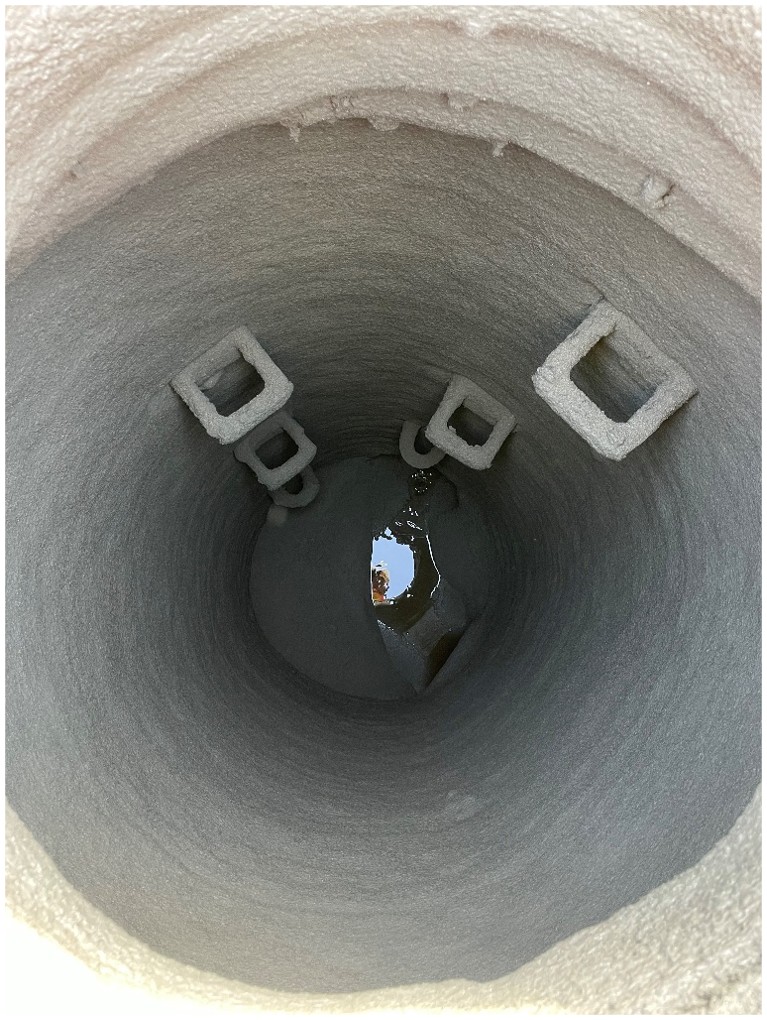
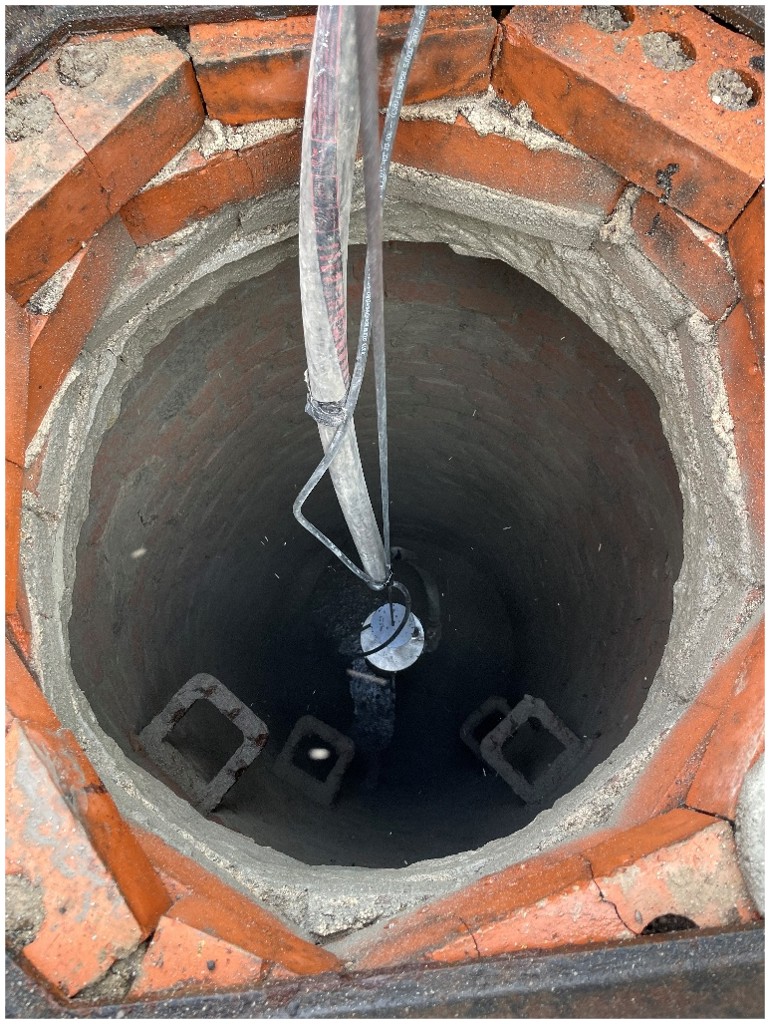
Manhole assets identified as contributing to infiltration have been rehabilitated using resin injection and M-coat applications, improving watertightness and extending asset life. Works have included chamber repairs, cover replacements and sealing of brickwork and interfaces. Identification of defective and infiltrating manholes was enhanced through 360° camera surveys, enabling detailed internal inspection and precise pinpointing of infiltration pathways, joint failures, and structural defects throughout the chamber. This approach ensured targeted, data-led rehabilitation interventions, maximising efficiency and reducing unnecessary excavation, while eliminating key vertical pathways for infiltration into the network.
Ongoing Phase of Works
Flow Management and Cleansing Support
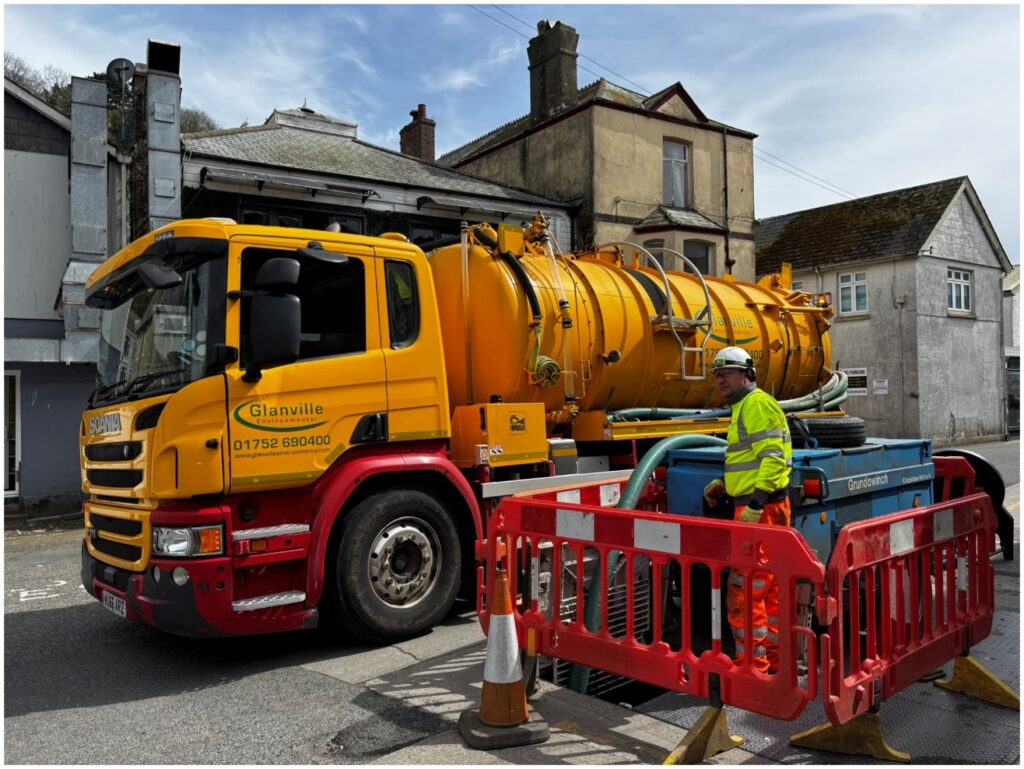
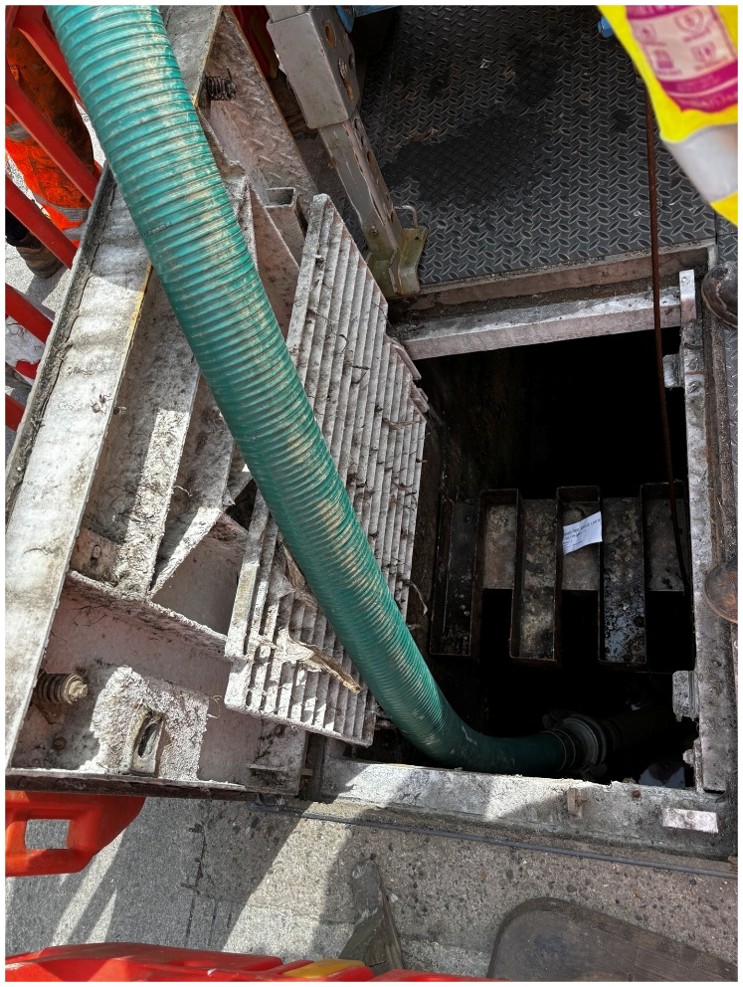
To enable UV‑cured CIPP lining to be carried out safely and effectively within an active, tidally influenced network, Glanville’s cleansing division provided dedicated tanker support throughout the works. Tanking units were strategically deployed to temporarily remove and manage flows, maintaining suitable conditions within the host pipes during lining and curing operations. This integrated approach ensured consistent liner quality, reduced the risk of abortive works due to tidal or flow variations, and enabled lining activities to be completed efficiently without compromising network operations. By coordinating CCTV, trenchless and cleansing resources under a single delivery model, Glanville minimised disruption while maintaining full control of flows in a challenging coastal environment.
Effective flow control is essential when addressing inflow and infiltration, ensuring that remediation works are carried out under stable conditions and that sources of excessive ingress can be permanently mitigated.
Targeted Civil Support
Where trenchless techniques alone were not suitable, limited civil interventions have been undertaken to enable access, replace damaged pipe sections, construct new chambers or resolve obstructions, always seeking to minimise excavation and disruption, particularly where structural failures or direct inflow routes required permanent removal or replacement to achieve long-term I&I reduction.
Ongoing Phased Delivery – Focus on Quay Road
The programme continues to be delivered in structured phases as defined by the scope of work. Following completion of investigation and remediation across multiple areas of Looe, including Fore Street, The Quay, Buller Street, Millpool Road and surrounding locations, the next major phase is progressing on Quay Road.
This phase includes:
- Further CCTV surveys where access was previously constrained
- Additional patching, lining and lateral sealing works
- Manhole rehabilitation and associated civil support
- Flow management and tanker assistance where required
Each phase builds on the intelligence gathered previously, ensuring remedial works are proportionate, evidence-led and focused on the areas with the greatest impact on infiltration and network performance.
- Creating a fully sealed structural barrier to prevent ongoing infiltration and limit unintended inflow into the system
- Significantly reduced carbon impact, contributing to overall project savings of approximately 246 tonnes of CO₂ driven by reduced excavation, transport, reinstatement and the use of low-energy UV curing processes compared to traditional methods
- Long‑term durability, with lined assets providing a minimum design life of 50 years
UV‑cured CIPP lining has proven particularly effective in Looe, where flow variability, restricted access and tidal influence demand solutions that are both robust and adaptable. The technology has played a key role in reducing saline ingress while maintaining service continuity and minimising disruption in a sensitive coastal setting.
Manhole Rehabilitation
Manhole assets identified as contributing to infiltration have been rehabilitated using resin injection and M-coat applications, improving watertightness and extending asset life. Works have included chamber repairs, cover replacements and sealing of brickwork and interfaces. Identification of defective and infiltrating manholes was enhanced through 360° camera surveys, enabling detailed internal inspection and precise pinpointing of infiltration pathways, joint failures, and structural defects throughout the chamber. This approach ensured targeted, data-led rehabilitation interventions, maximising efficiency and reducing unnecessary excavation, while eliminating key vertical pathways for infiltration into the network.
The Benefit
Sustainability and Carbon Reduction
The use of trenchless rehabilitation techniques across the Looe catchment has delivered substantial environmental benefits when compared to traditional open-cut excavation methods.
Across 2,736 metres of rehabilitated pipeline, the programme has significantly reduced the carbon and environmental footprint of repair activities while maintaining high-quality, long-term asset performance.
Key environmental benefits achieved include:
- Approx. 246 tonnes of CO₂ saved through reduced excavation, transport and reinstatement activities
- Avoidance of approximately 3,900 m³ of excavation, equating to around 5,400 tonnes of spoil
- Elimination of approximately 600 HGV movements, reducing traffic disruption and associated emissions
- Avoidance of 1,600–2,000 tonnes of imported construction materials, including aggregates and asphalt
- Reduction of approximately 2,050 m² of reinstatement, minimising material use and surface disruption
By minimising excavation and maximising trenchless solutions, the project has not only reduced environmental impact but also improved efficiency, safety and public experience within a constrained coastal environment.
Stakeholder Engagement and Community Collaboration
Operating within Looe’s confined, highly active coastal environment has required a proactive, collaborative approach to stakeholder engagement throughout the programme.
Glanville has worked closely with Looe Town Council, Cornwall Highways, local businesses, residents and South West Water stakeholders to carefully plan and deliver works in a way that minimises disruption while maintaining safe and efficient operations in a busy seaside town.
Given the constrained streets, high seasonal footfall, and reliance on tourism, particular emphasis has been placed on clear communication, programme coordination, and flexible delivery methods, including night working and tide-aligned operations to avoid peak trading and visitor periods.
Key engagement and mitigation measures have included:
- Early and ongoing liaison with local authority and highways teams to coordinate permits, access and traffic management
- Direct communication with businesses and residents ahead of works to provide transparency on timing, duration and expected impacts
- Careful scheduling of works to avoid peak daytime disruption, particularly in high-footfall areas such as the harbour and town centre
- Coordination of deliveries, tankering and site activity to minimise congestion in narrow streets
- Rapid response to any queries or concerns raised during delivery
This structured and responsive approach has resulted in minimal negative feedback from the local community, despite the complexity of the works and the requirement for night-time operations.
As the programme continues through its phased delivery, Glanville remains committed to maintaining strong relationships with key stakeholders, ensuring that future works are delivered with the same level of transparency, consideration and community awareness, supporting both operational success and positive local perception.
Outcomes and Value to the Client
Outcomes and Value to Client
The integrated CCTV and trenchless approach has enabled South West Water to:
- Identify saline infiltration sources that would otherwise have remained hidden
- Confidently eliminate unaffected assets from unnecessary intervention
- Progress from investigation directly into repair within the same programme
- Deliver measurable reductions in inflow and infiltration, improving available network capacity and resilience
- Maintain public safety and access in a constrained coastal town
- Support reduction in CSO spill frequency and duration by lowering baseline and peak flow contributions
- Deliver substantial carbon and environmental savings, including a 246-tonne CO₂ reduction, supporting South West Water’s wider net zero and sustainability commitments
As an ongoing programme, the Looe works demonstrate the effectiveness of combining tidal-aware investigation with targeted trenchless remediation to deliver long-term improvements to coastal sewer networks.
Our Expertise in Inflow & Infiltration Reduction
The Looe catchment programme reflects Glanville’s proven capability to identify and mitigate inflow and infiltration across complex wastewater networks. By combining advanced CCTV survey techniques, including tidal-led inspections and 360° manhole assessments, with a full suite of trenchless rehabilitation, targeted civils, and integrated tanking and cleansing support, we deliver end-to-end solutions that address both surface inflow and groundwater or saline infiltration. This holistic approach not only restores structural and hydraulic integrity but also significantly reduces excess flows entering the network, thereby directly reducing Combined Sewer Overflow (CSO) events and improving environmental compliance.